
Why Transitions Are So Hard on the Nervous System
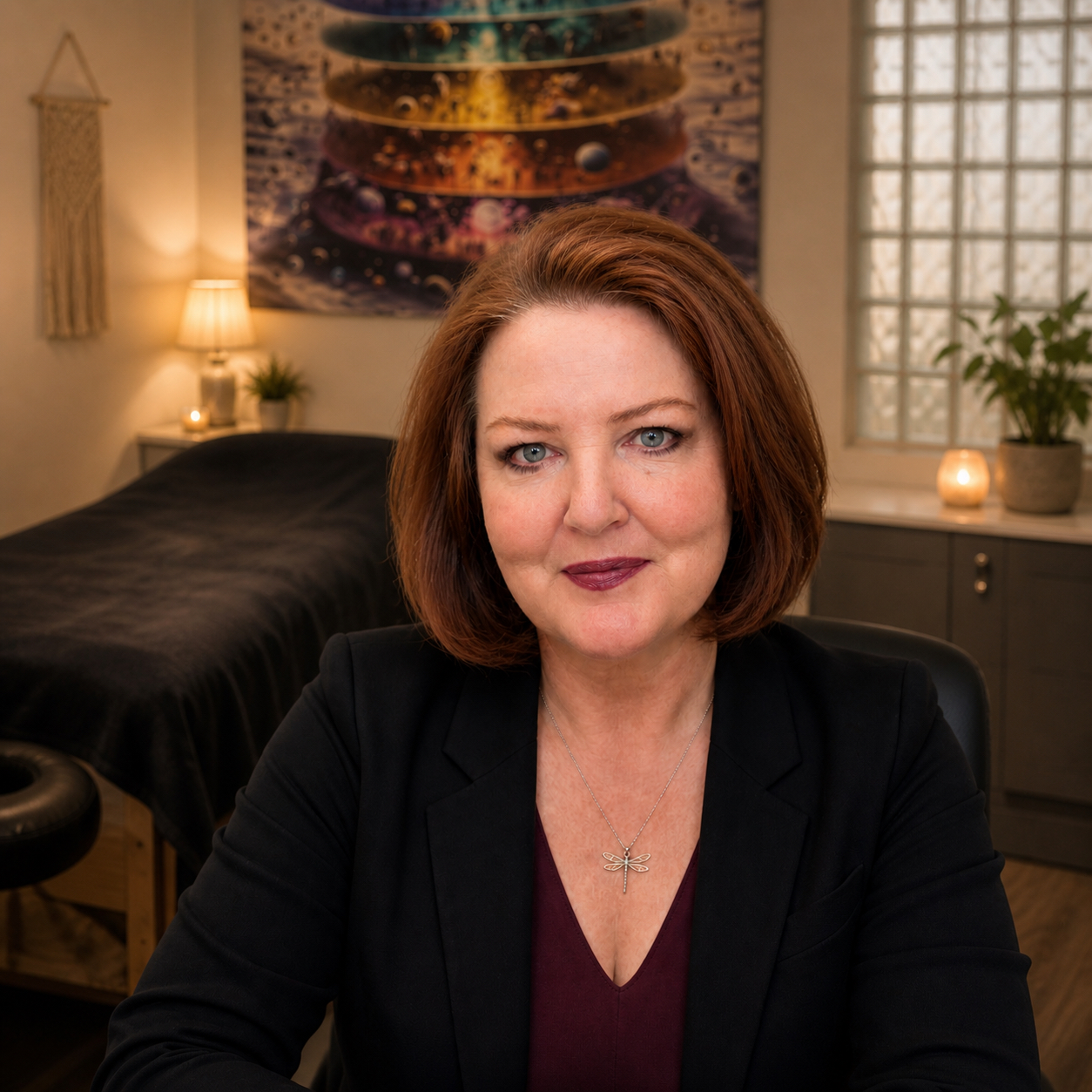
Transitions can be surprisingly hard on the body, even when the change itself is positive. Moving from summer into the school year, starting a new job, changing routines, returning to work after time off, moving homes, or even shifting from one part of the day into another can create more stress than we realize. 🌿
Our nervous system likes predictability. It is constantly taking in information and trying to determine what is familiar, what is safe, and what requires more attention. When routines change, the body suddenly has more to process.
That is why you can feel tired, irritable, scattered, emotional, or overwhelmed during a transition even when nothing is actually “wrong.”
Sometimes the nervous system is simply trying to catch up.
Think about what happens when a new school year begins. Wake-up times change. Traffic changes. Meal times shift. Schedules fill up. Children are adjusting to new teachers and classrooms while adults are managing transportation, work, lunches, appointments, extracurriculars, and everything else that comes with September.
And change requires energy. 🍂
The same thing happens on a smaller scale throughout the day.
You leave work and immediately become a parent.
You leave a busy classroom and walk into a grocery store.
You finish helping a client and answer a family phone call.
You move from being needed by everyone all day into trying to relax at home.
Your body does not always make those shifts as quickly as your schedule expects it to.
That is where transition time becomes important.
Sometimes we expect ourselves to finish one thing and instantly be ready for the next.
But the nervous system often needs a bridge.
That bridge might be five quiet minutes in the car before going inside.
It might be changing your clothes when you get home.
Walking around the block.
Taking a shower.
Sitting outside.
Having a snack.
Listening to music.
Taking a few slower breaths.
The specific activity is not the important part.
The message is.
That part is finished.
You are here now. ✨
Children need these bridges too.
A child who has spent all day listening, learning, socializing, following instructions, navigating sensory input, and managing emotions may not be ready to immediately answer questions, do homework, or head to another activity.
Sometimes they need time to land.
Adults are really no different.
We just tend to expect ourselves to push through.
One of the reasons transitions can feel so uncomfortable is because there is a moment when the old routine is gone but the new one has not yet become familiar.
That middle space can feel uncertain.
Your nervous system does not know the rhythm yet.
It has not learned what to expect.
And so it may stay a little more alert.
This is one reason the beginning of September can feel exhausting even before anything particularly difficult has happened.
Your body is learning a new pattern. 🤍
We often respond to this discomfort by trying to organize harder.
We make more lists.
Add more structure.
Try to become more productive.
Sometimes that helps.
But sometimes the nervous system needs something much simpler.
More predictability.
More time.
More rest.
Fewer expectations while you adjust.
You do not have to master a new routine immediately.
You are allowed to settle into it.
Another important part of transitions is recognizing that different people adjust at different speeds.
One child may be excited and ready for school immediately.
Another may need several weeks before the new routine feels comfortable.
One adult may thrive when things become busy again.
Another may feel exhausted by the sudden change in pace.
Neither response is wrong.
Our nervous systems are different.
What matters is learning to notice what your own system needs. 🌙
Transitions also give us an opportunity to create intentional rituals.
A morning cup of coffee before anyone wakes up.
A certain playlist on the drive home.
A short walk after work.
A few minutes of quiet after school.
Lighting a candle at the end of the day.
Taking a slow breath before walking through the front door.
These small rituals may seem insignificant, but repetition creates familiarity.
And familiarity can feel safe.
That is one of the simplest ways we can support nervous system regulation during periods of change.
At Ki’smet Co in Saskatoon, much of my work is about helping people notice what their body is communicating before overwhelm becomes complete depletion.
Sometimes we do not need to force ourselves to handle more.
We need to give ourselves enough space to adjust to what has already changed.
Through nervous system regulation, meditation, Reiki, energy work, and intuitive support, the intention is to create space for the body to settle and for you to reconnect with yourself again.
Transitions are not something we need to rush through.
They are part of life.
And sometimes the healthiest thing we can do is acknowledge that change takes energy.
Give yourself time.
Give your children time.
Create small moments of predictability.
Let your nervous system learn the new rhythm.
You do not have to arrive instantly.
You are allowed to transition. ✨
Helping people come home to themselves.
— Kiernan @ Ki’smet Co.


Comments