
Creating Emotionally Safe Spaces: Why Your Nervous System Needs Them More Than Ever
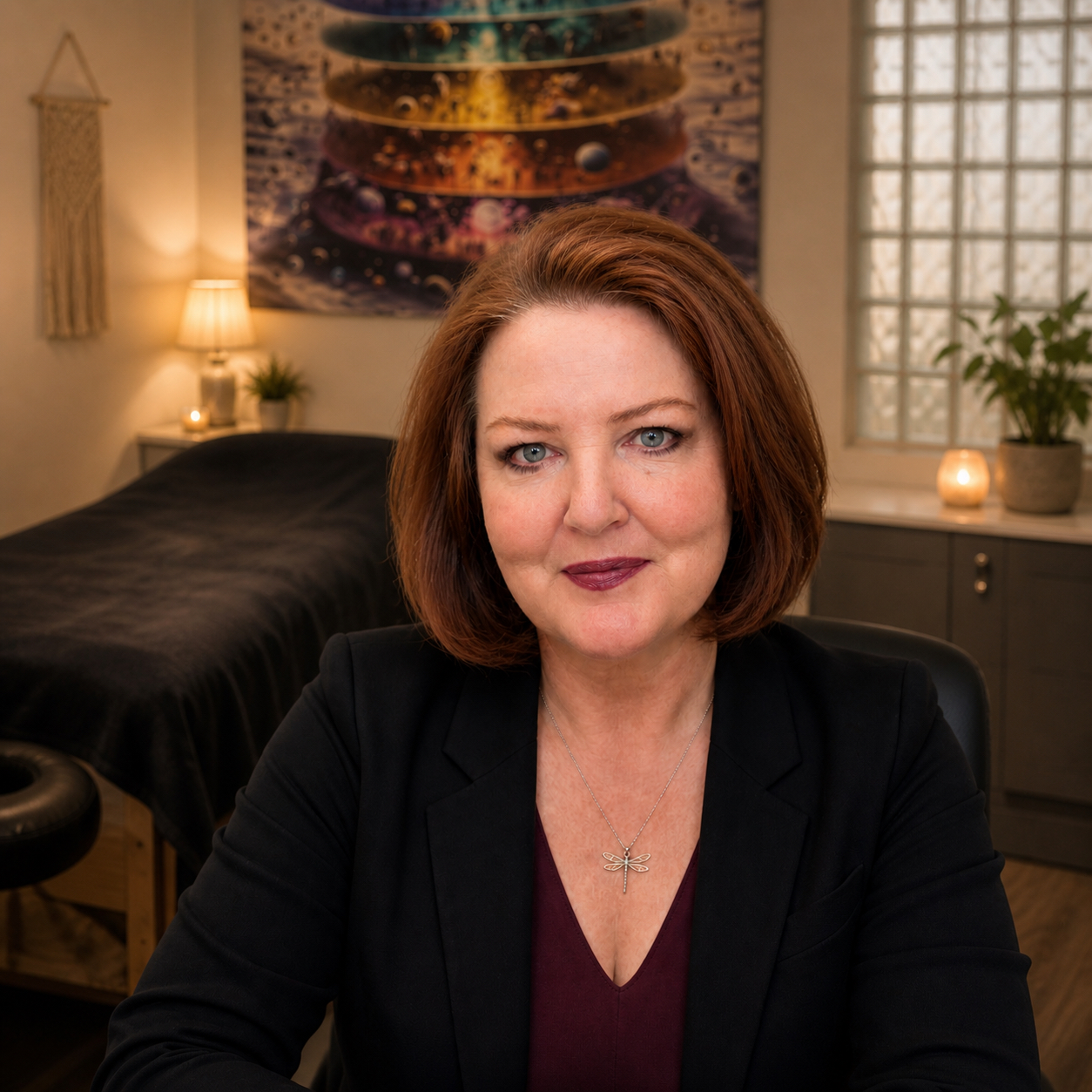
By Kiernan Garvie, Ki'smet Co | Saskatoon
Have you ever walked into a room and instantly felt your shoulders tighten?
Or sat with someone who left you feeling drained, anxious, or like you needed to explain yourself?
Most people think stress comes from what they are doing. Often, stress comes from the environments and relationships they are navigating every day.
Creating emotionally safe spaces isn't about avoiding difficult conversations or pretending life is perfect. It's about creating spaces where your nervous system can finally stop bracing for impact.
What Is An Emotionally Safe Space?
An emotionally safe space is any environment where you feel:
Accepted without needing to perform
Heard without being judged
Supported without being fixed
Allowed to be human
Free to express your thoughts and emotions honestly
When emotional safety is present, the nervous system begins to shift out of survival mode and into a state where healing, connection, and clarity become possible.
Why Emotional Safety Matters
Many women spend years carrying responsibilities for everyone around them.
They care for children, partners, aging parents, coworkers, friends, and community members. Over time, they become so focused on holding everything together that they forget what it feels like to truly relax.
The nervous system adapts by staying alert.
You may notice:
Difficulty relaxing
Constant overthinking
Feeling emotionally exhausted
Trouble sleeping
Irritability
Feeling disconnected from yourself
These aren't signs that you're broken.
Often, they're signs that your nervous system hasn't felt safe enough to fully let go.
The Cost Of Living In Survival Mode
When we spend too much time in a state of stress, our bodies become accustomed to carrying tension.
We may begin to believe:
We have to do everything ourselves.
Rest must be earned.
Asking for help is weakness.
Everyone else's needs come first.
Eventually, even moments of quiet can feel uncomfortable because the nervous system has forgotten how to settle.
This is one reason why many people say:
What Emotional Safety Looks Like
Emotional safety doesn't have to be complicated.
Sometimes it looks like:
A conversation where someone truly listens
Sitting quietly without needing to fill the silence
Spending time with people who accept you as you are
Receiving a healing session where you don't need to explain everything
Giving yourself permission to slow down
Small moments of safety help remind the nervous system that it no longer has to carry everything alone.
Creating Emotional Safety For Yourself
While supportive relationships matter, emotional safety also begins within.
You can start by asking yourself:
Where do I feel most at peace?
Who helps me feel like myself?
What activities help me slow down and reconnect?
What boundaries would help me feel safer and more supported?
These questions often reveal where your nervous system is asking for more care.
You Don't Have To Carry It All Alone
One of the most common things I hear from clients is:
Healing isn't about becoming someone different.
It's about creating enough safety that you can reconnect with who you've always been beneath the stress, overwhelm, and expectations.
Sometimes the most powerful thing we can do is give ourselves permission to be supported.
Final Thoughts
If you've been feeling overwhelmed, emotionally exhausted, or disconnected from yourself, it may not be because you're failing.
You may simply need more spaces where your nervous system feels safe enough to rest.
Healing often begins when we stop trying to hold everything together alone and allow ourselves to receive support.
You deserve spaces where you can exhale.
You deserve spaces where you can simply be.
And your nervous system deserves care too.


Comments